
Gas, Light, and an Explosion: The Story of Birr Barracks Gasworks

Updated: Feb 9
Today we take indoor lighting for granted, a click of a switch and the room is instantly bright. Before the electrification of Ireland, however, light came from candles or from manufactured coal gas. For the soldiers stationed at the military barracks in Crinkill, just outside Birr, the arrival of gas in the 1860s marked a major leap in comfort and modernity.
Gas Comes to the Barracks
On 29 April 1862, the Dublin Evening Mail reported that plans were underway to introduce gas to Birr Barracks. Later that year, on 4 November, The Irish Times described the transformation in detail:
“IMPROVEMENTS IN BIRR BARRACKS
(FROM A CORRESPONDENT)
Parsonstown, Monday
Among the various improvements which have been effected of late in these fine barracks the most important for the comfort of the troops has just been brought to comple-tion. Last week the entire of the barracks were for the first time, lighted with gas, supplied from a gasometer specially erected for the use of the barracks in the drill field adjoining. In addition to the erection of the neces-sary gas-fittings in each of the officer’s and soldiers’ quarters large lamps have been placed in the barrack-square, in front of each of the mess-rooms, and over the entrance to the commanding officers’ quarters. The recent erection of improved cooking apparatus has also proved of good benefit to the troops, the ranges now used in these barracks being those constructed on the principle of Radley’s patent. There is one other improvement to which I take opportunity to refer, viz., the admirable arrangements which have been made for ventilating the soldiers’ quarters. It is well known that much of the sickness which in old times frequently prevailed in barracks was owing to the deficiency, or rather the total want of any facilities for ventilation.”
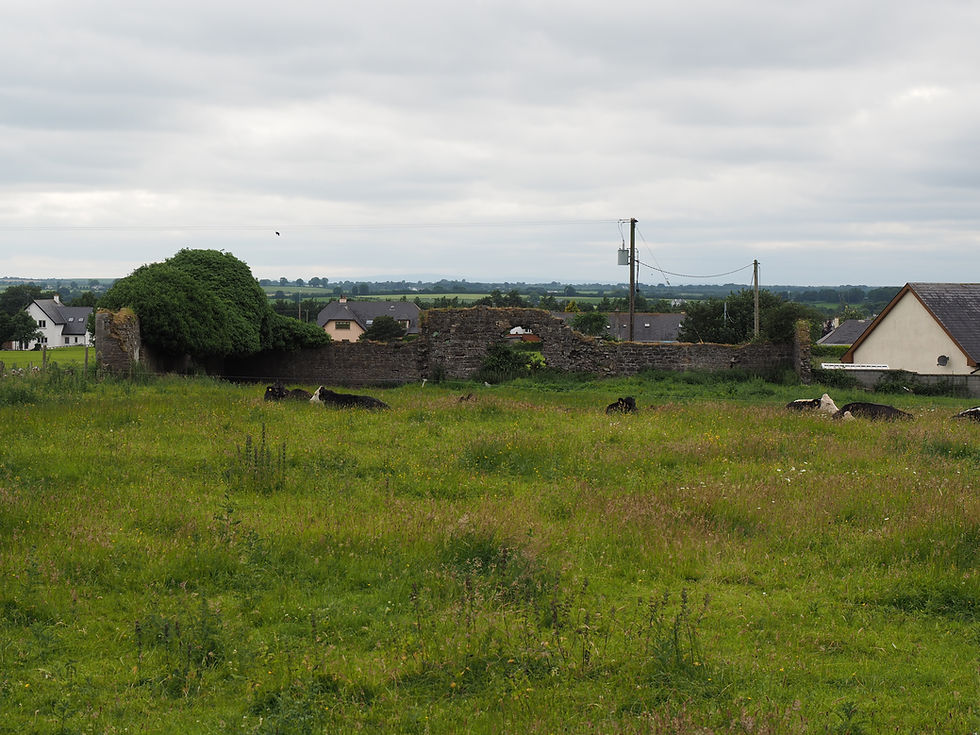
The installation was extensive. The barracks gasworks, located in the adjoining drill field known as Fourteen Acres, included the Gas Manager’s House, a coal store, a retort house with an attached condenser, a purifying house, a workshop, and a lime store. A gasometer, a large iron storage tank stood nearby, along with a tank for collecting ammoniacal liquor.

How the Gas Was Made
Coal from the store was loaded into retorts and heated to a high temperature. This process released gas along with tar vapours and other impurities. The hot gas then passed through the condenser, where it cooled; tar condensed out and was collected, and liquid ammoniacal liquor was separated and stored.
Next came purification. The gas was drawn through layers of lime in the purifier house, which removed sulphur compounds and carbon dioxide. Once cleaned, it was stored under low pressure in the gasometer and pumped from there to the barracks for lighting.
Nothing went waste, with the tar, a by‑product of the process, occasionally offered for sale.
The 1892 Explosion
Not all was smooth running. In January 1892, many newspapers around Great Britain and Ireland reported that the gasworks was the scene of a dramatic accidental explosion. Once such account appeared in the Manchester Courier:
“EXPLOSION AT IRISH BARRACKS
An alarming gas explosion at the Birr Barracks was reported yesterday. The garrison possesses its own gasworks, and besides them is the residence of Mr. Andrew Burns, the manager. On Mr. Burns detect-ing a strong smell of gas, he arouse from bed, and accompanied by his son and daughter, proceeded to search for the leakage. Young Mr. Burns proceeded in advance to the upper story, and carrying a naked light, incautiously raised it above his as he entered the room. the accumulated has at once exploded, blowing the roof clean off the house, and carrying it in fragments for some distance. Mr. Burns, sen., and his son and daughter were seriously injured by the falling debris. They are now progressing favourably. The occurrence happening during the night caused much alarm in the barracks.”
Today it seems obvious that searching for a gas leak with an open flame is dangerous, but in the nineteenth century it was common practice. There were no safety standards, no detectors, and little understanding of how gas accumulated. Coal gas is lighter than air; it rises and can pool in the upper parts of a closed room. If it mixes with air in the right proportions, even a small flame can trigger an explosion, exactly what happened that night.
Later Years and Legacy
The gasworks continued to operate into the twentieth century. An army medical report from 1907 noted insufficient gas flow towards the northern end of the barracks. Excavations in 2018 uncovered a gas pipe running in that direction, suggesting the issue was eventually addressed.
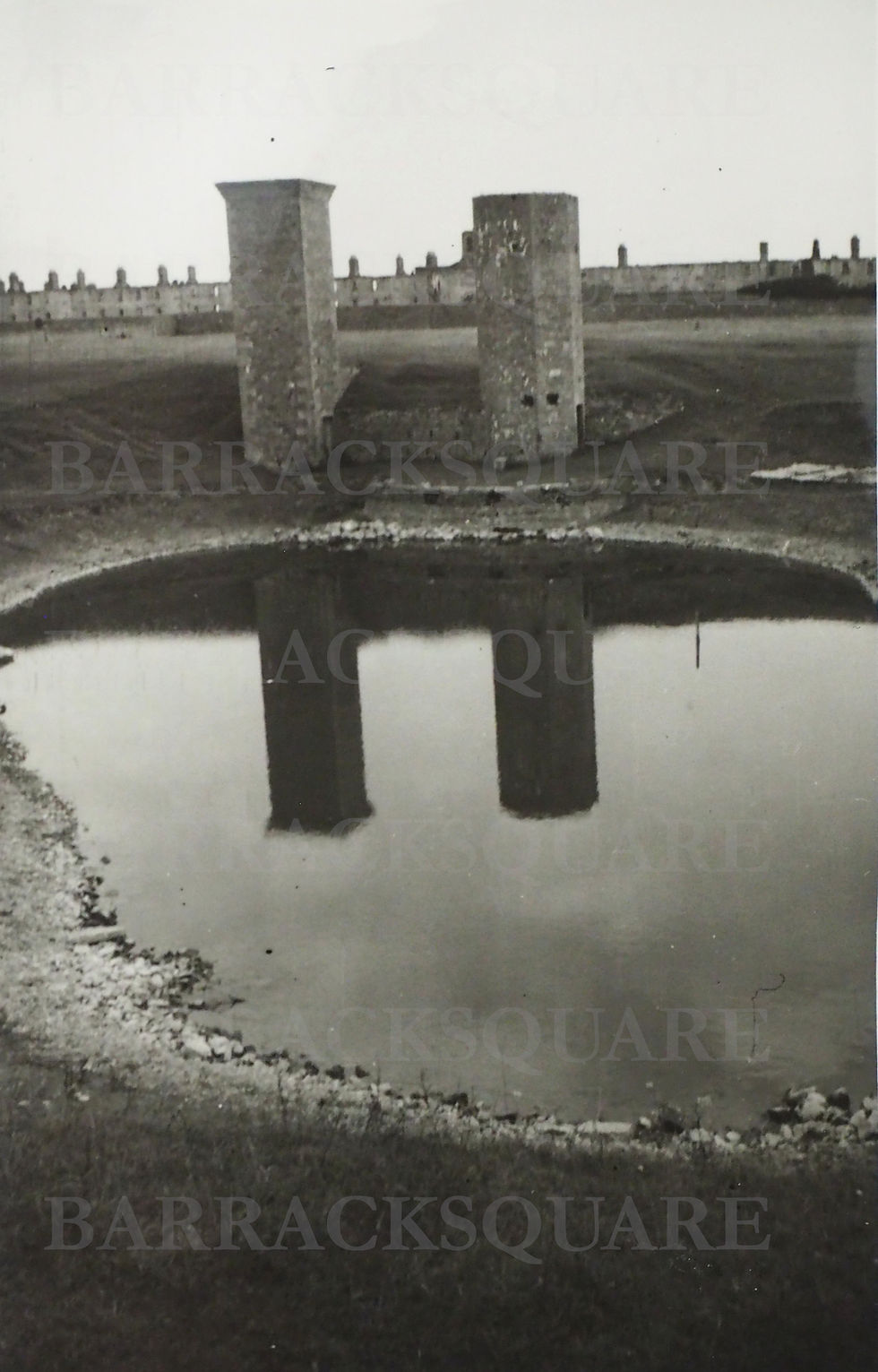
After the British Army left Birr Barracks, the Birr Gas Company continued supplying gas to the site for the occupying Free State forces. When anti‑Treaty troops later took control of the barracks, the company intended to cut off the supply, as no payment was forthcoming, but a threat forced them to keep the gas flowing for another three months, right up until the barracks’ destruction in July 1922. Today, only partial walls of the gasworks survive, a small reminder of the first era of indoor lighting for soldiers stationed at Crinkill.


Thank you for sharing incredible insights about the gas light and the explosion. The story of birr barracks gasworks is amazing to read and understandable. Also, our comic book illustration services crafts the whole story with eye-catching designs for everyone.